Pillows provide essential support for head, neck, and spine alignment, influencing sleep quality and overall comfort. In this category, materials, fill type, loft, and cover fabric all contribute to correct cushioning and breathability. Understanding these factors helps identify options that suit preferred sleeping positions, temperature regulation, and skin sensitivity.
Common pillow features to consider include-fill density, responsiveness, and moisture-wicking properties. Natural fills like down-alternative options offer varied firmness, while memory foam and latex blends emphasize contouring support. Fabric finishes such as cotton, linen, or moisture-managing blends influence feel, durability, and ease of care on a daily basis.
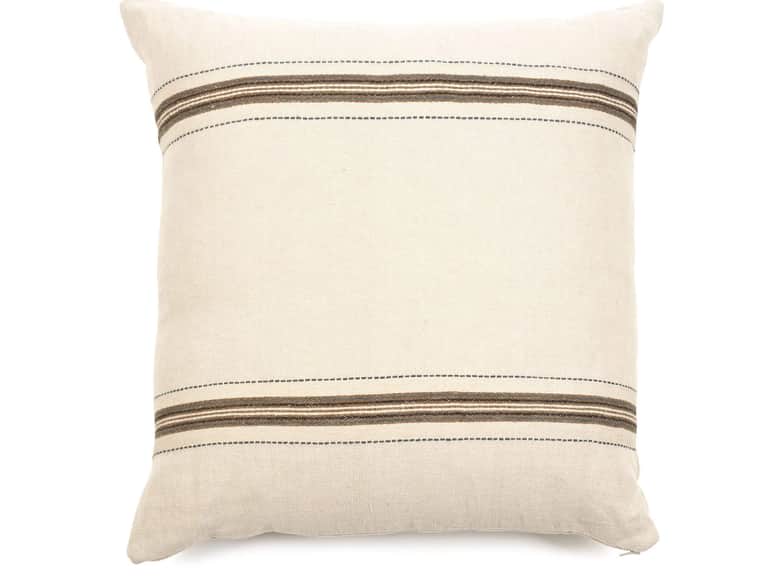
The Vourkari Pillow cover is an example of fabric-forward design that prioritizes both comfort and practicality. It emphasizes ergonomic shaping, durable stitching, and breathable surface textures. This pillow cover can contribute to a restful sleep environment by maintaining appropriate air movement and reducing heat buildup during the night.
Care considerations for pillows and covers include cleaning frequency, washing temperature, and fabric compatibility. Proper maintenance preserves loft, supports hygiene, and extends product freshness. Recognizing care instructions helps maintain structural integrity of the pillow along with the associated bedding, sheets, duvet covers, and clothing and accessories in daily use.
In this category, bedding knowledge extends to different use cases such as hotel-grade comfort, allergy-conscious choices, and seasonal temperature variations. By evaluating fill types, cover fabrics, and functional benefits, users can better assess how a pillow aligns with long-term sleep health and overall comfort across diverse environments.
 Bedding